


Useful article from BPS Research Digest:
Words don’t always just convey their literal meanings — the phrasing we choose can also signal our values, attitudes, and relationship to others. Saying “we all make mistakes”, for example, can suggest more shared understanding than the phrase “you made a mistake”, which is much more likely to imply blame.
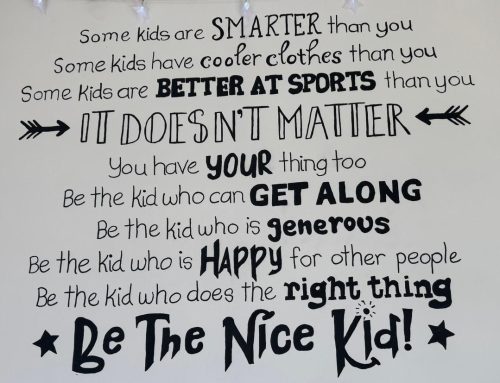
The subtle nuances of favouring ‘we’ over ‘you’ might not just be evident to adults, either: according to Ariana Orvell and team, small shifts could shape how children understand other people’s intentions. In the Journal of Experimental Psychology, they explore how this subtle shift in language might shape children’s understanding of kindness. They find that children are highly attentive to this cue, using it to judge how kind, compassionate, and considerate someone is, and to decide which groups they feel they belong to.
Read more here

Leave A Comment
You must be logged in to post a comment.